-
 en
en -
sv


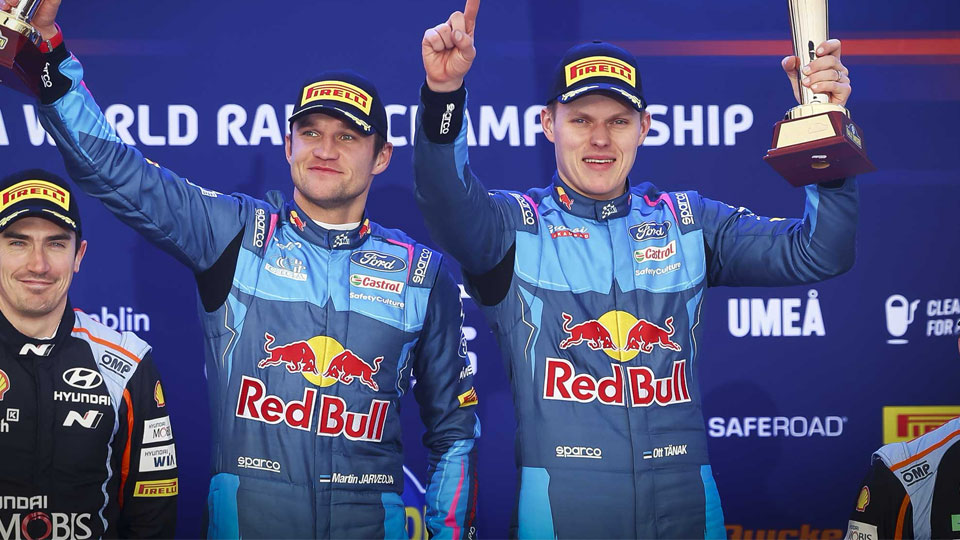





Ford to return as full factory team in WRC in 2028


One of rallying’s most iconic manufacturers is stepping up its commitment to the FIA World Rally Championship. Ford has today announced that it will return to the WRC with a full factory programme from 2028.
Ford has been part of the championship since the WRC was established in 1973 and is a brand that has been synonymous with rallying for more than six decades.
Following the 2012 season, Ford ended its official factory programme. Since then, British team M-Sport has continued to represent the brand in the WRC, with varying levels of technical and financial support from Ford. The partnership between Ford and M-Sport dates back to 1997.
From 2028, that commitment will be strengthened as Ford once again returns at full factory level.
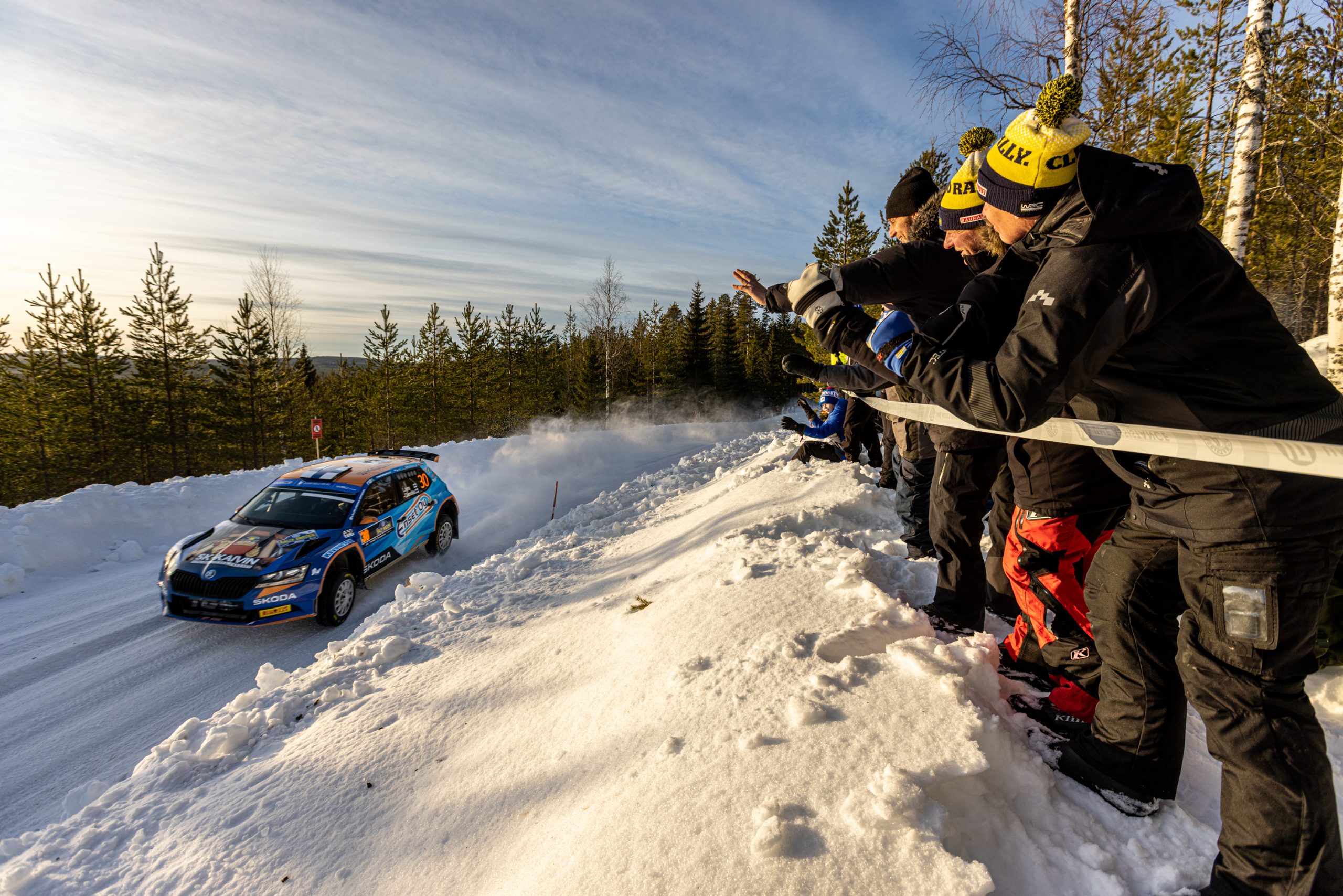
– This is a very strong statement for the World Rally Championship. We are entering an incredibly exciting period for the championship, with a new promoter, new technical regulations and a clear ambition to develop the sport. The fact that a global brand like Ford has chosen to return with a full factory commitment shows that there is strong confidence in the future of the championship, says Anna Nordkvist, CEO of Rally Sweden and FIA Vice President for Sport – Europe.
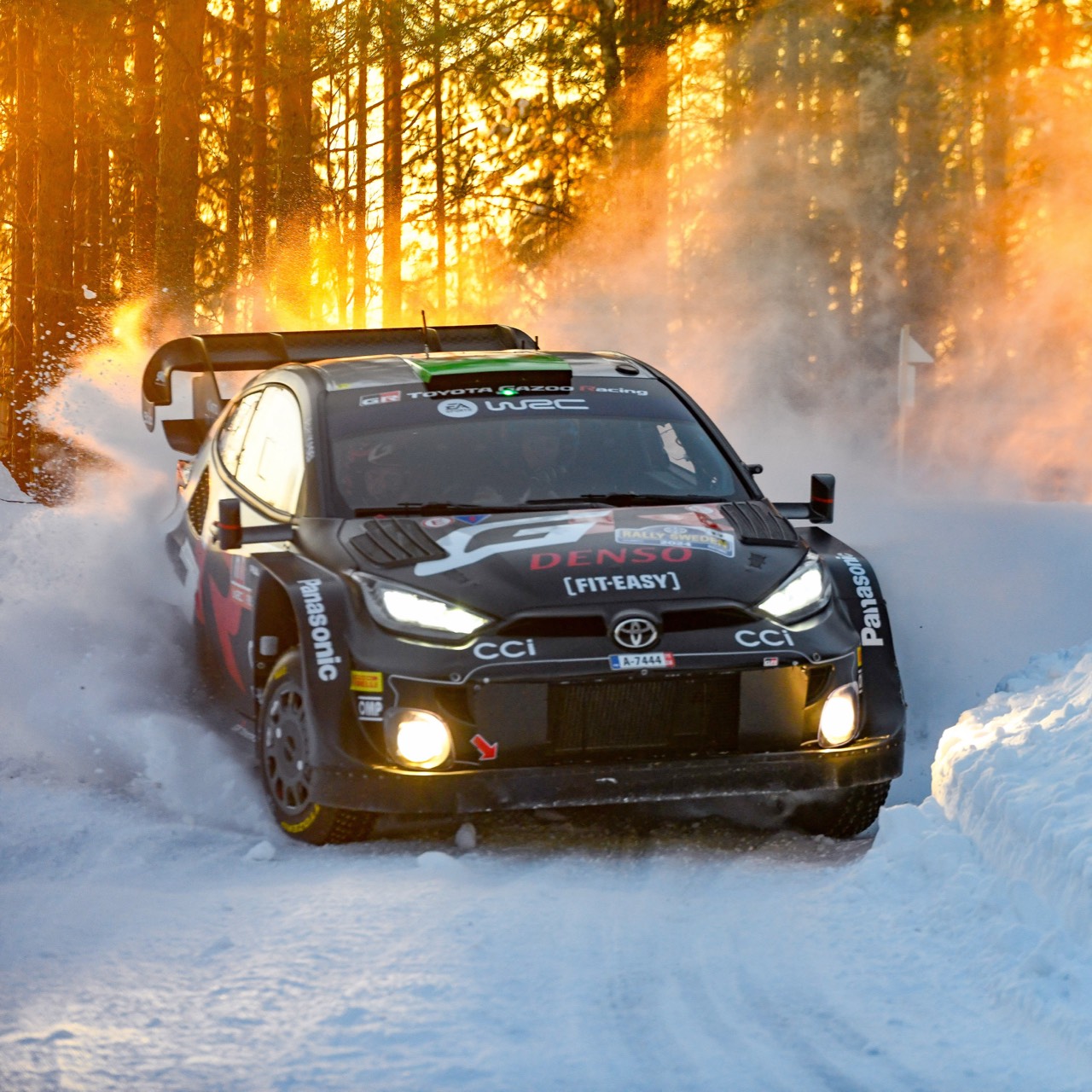
A completely new technical era will begin in the WRC in 2027, when the current Rally1 cars are replaced under the new WRC27 regulations. Among other objectives, the new rules have been developed to significantly reduce costs and make it possible for more manufacturers and independent constructors to compete in the top category.
Ford and M-Sport will continue their presence in the championship during the transitional 2027 season with a car based on the Ford Fiesta Rally2, adapted to the new Rally2-WRC-Kit regulations, before the new factory programme begins in 2028. From 2029, Ford will introduce its new WRC car built to the new regulations.
Ford and Rally Sweden – a long history
Few car manufacturers have as strong a connection to Rally Sweden as Ford.
With nine overall victories, Ford is the second most successful manufacturer in the history of the event, just one victory behind Saab. The most recent came in 2023, when Ott Tänak and Martin Järveoja won in Umeå in a Ford Puma Rally1.
Ford enjoyed a dominant period on Sweden’s winter roads during the 2000s. Marcus Grönholm won back-to-back in 2006 and 2007, Jari-Matti Latvala claimed his first WRC victory with Ford in 2008, and Mikko Hirvonen won in both 2010 and 2011. Latvala then delivered another Rally Sweden victory for Ford in 2012.
Ford also holds a special place in Swedish rally history. When Björn Waldegård became the first driver ever to win the WRC Drivers’ Championship in 1979, he did so in a Ford Escort. The Escort itself is one of the most legendary cars in rallying and has been driven by some of the sport’s greatest names.
1984 World Champion Stig Blomqvist also competed successfully with Ford during his long career. Over the years, several other leading Swedish drivers have represented the brand internationally, including Kalle Grundel, Thomas Rådström, P-G Andersson and Pontus Tidemand.
– Ford is one of those brands that many people immediately associate with rallying. There is also a fantastic history connecting Ford, Sweden and Rally Sweden. For us as an organiser, it is extremely positive to see this kind of long-term commitment. Together with the new regulations and the investments now being made in the championship, it gives us great confidence in the future of the WRC, continues Anna Nordkvist.
Among Ford’s greatest achievements are the Manufacturers’ Championship titles in 2006 and 2007, as well as M-Sport’s World Championship successes in 2017 and 2018, when Sébastien Ogier won the WRC Drivers’ Championship in a Ford Fiesta.